Plastic Waste Rules 2025 & EPR Compliance in Tamil Nadu
A New Chapter in India’s Fight Against Plastic Pollution
Plastic pollutants have become one of the most urgent environmental demands of our time. From choking marine life to contaminating food chains, its effects are far-reaching and engaging. India, as one of the world’s fastest-growing economies, is both a contributor to and a sufferer of this worldwide issue.
In a formidable breakthrough, the Ministry of Environment, Forest and Climate Change (MoEFCC) added the Plastic Waste Management (Amendment) Rules, 2025, through a notification dated January 23, 2025. These policies amend the prevailing 2016 guidelines and are designed to convey obligation, traceability, and innovation into how plastic waste is managed across India.
For businesses, particularly in Chennai and Tamil Nadu, this replacement marks an important pivot towards compliance with environmental mandates, particularly EPR registration and traceability in packaging.

Why Did India Amend the Plastic Waste Rules in 2025?
India generates almost three 5 million tonnes of plastic waste annually. A huge part of this ends up in landfills, water bodies, or the open surroundings. While the 2016 policies laid the inspiration for plastic waste regulation, they lacked mechanisms for powerful enforcement, fact tracking, and manufacturer responsibility.
The 2025 change brings in smarter virtual gear, stricter compliance norms, and centralised records structures. These modifications aren't pretty, a good deal of regulation—they may be approximately constructing a sustainable device that rewards responsibility and punishes negligence.
What’s New inside the Plastic Waste Management (Amendment) Rules, 2025?
1. Mandatory Traceability of Plastic Packaging
From July 1, 2025, all manufacturers, importers, and logo proprietors (PIBOs) must make certain that plastic packaging includes specific identifiers, which include:
- Barcodes or QR codes for real-time tracking.
- Product facts brochures emerge as unbiased from packaging, to reduce visual litter.
- Unique Identification Numbers (UINs) issued beneath applicable felony pointers, posted on packaging.
If a UIN is not available, the company want to notify the Central Pollution Control Board (CPCB) at least six months before the product’s release.
2. Centralised Data Collection
The CPCB will control a national database of registered producers and maintain a publicly available list, up to date with every location. This promotes transparency and permits public and regulatory tracking of compliance.
For businesses seeking EPR registration in Chennai or EPR registration in Tamil Nadu, having traceable, compliant packaging could be a mandatory requirement going ahead.
3. Strict Penalties for Non-Compliance
The amendment introduces Rule 19, under which any violation is punishable under Section 15 of the Environment (Protection) Act, 1986. Offenders may additionally face:
- Imprisonment for as long as 5 years, or
- Fines up to ₹1,00,000, or both.
- Additional fines of ₹five,000 in line with the day for persistent non-compliance.
These robust deterrents are designed to push organisations in the direction of complete compliance and inspire instantaneous investments in traceability and EPR infrastructure.
The Role of EPR Registration in Tamil Nadu and Chennai
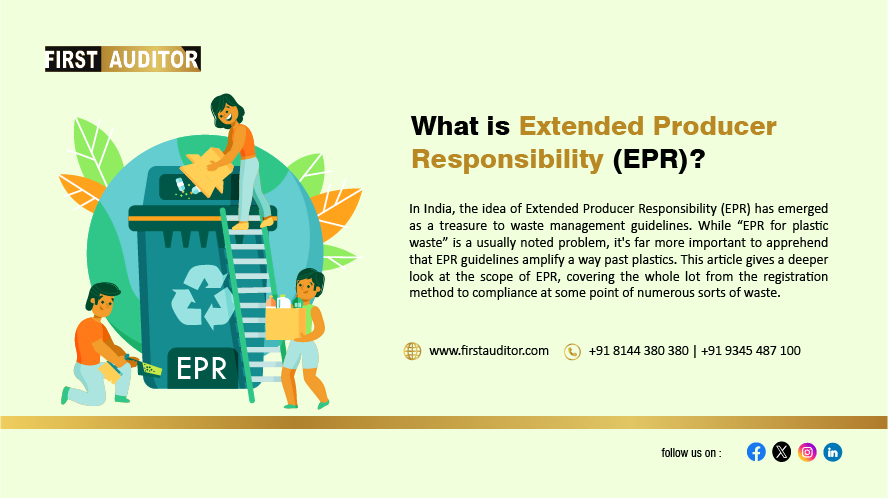
As a part of India’s sustainability approach, Extended Producer Responsibility (EPR) has emerged as a primary pillar. EPR requires that businesses take complete responsibility for the life cycle of the plastic they produce—from creation to end-of-life services and recycling.
Why EPR Registration is Critical:
- Legal compliance with critical national pollution control norms.
- Avoidance of penalties and license revocation.
- Enhanced logo photo and client remember through sustainable practices.
- Eligibility to take part in state-diploma waste control partnerships in Tamil Nadu.
If you’re an industrial enterprise operating in southern India, obtaining EPR registration in Tamil Nadu or Chennai is not non-obligatory—it’s important. Many companies in sectors like food & beverage, cosmetics, e-alternate, and retail at the moment are searching for EPR experts in Chennai to assist in navigating the compliance approach.
Implications for Businesses and Local Industries
More Accountability
Producers can no longer distance themselves from the waste generated. They want to now monitor their plastic footprint and position it into effective systems to govern it effectively.
Opportunities for Innovation
The new pointers will push businesses to reconsider packaging—from exploring biodegradable options to creating an investment in green layout.
Improved Waste Management in Tamil Nadu
With cities like Chennai taking the lead in smart metropolis and sustainability tasks, the tips will improve nearby waste segregation, lessen the burden on municipal bodies, and create a model for responsible city waste governance.
Challenges That Lie Ahead
While the intentions are robust, implementation can be met with roadblocks:
Compliance Costs for SMEs
Small companies may also find it tough to adopt impact barcoding and digital traceability. For this cause, the authorities may additionally need to:
- Offer financial beneficial resources, low-interest loans, or era offers.
- Provide schooling applications on EPR and compliance workflows.
Monitoring and Fraud Prevention
Ensuring that the QR codes are real and that the data submitted is accurate would require a strong verification system. Tech-backed audits, 1/3-birthday party certification, and digital structures will play a crucial role.
Consumer Education
The public must, moreover, recognise their function. Consumers need to:
- Check packaging for QR codes.
- Use mobile apps to verify product details.
- Prefer producers with visible EPR and recycling efforts.
The authorities can also quickly release attention drives and mobile apps for plastic waste monitoring.
Next Steps for Businesses in Chennai & Tamil Nadu
If you are a manufacturer, importer, or brand owner operating in Tamil Nadu, here’s what you must do:
Begin EPR Registration in Chennai Immediately
Reach out to certified EPR professionals in Chennai to prepare your compliance documentation and get registered with the CPCB and Tamil Nadu Pollution Control Board (TNPCB).
Audit Your Plastic Packaging
Review your packaging materials and plan for integration of QR codes, barcodes, and UINs as consistent with today's hints.
Build a Recycling Network
Collaborate with nearby waste handlers and recyclers to satisfy your EPR duties.
For Consumers: Your Role is Crucial
The guidelines are designed not only for agencies, but also for residents.
- Scan in advance of purchasing: Use your telephone to test QR codes and recognise the sustainability file of the product you’re purchasing.
- Support compliant producers: Choose products with proper labelling and visible efforts closer to plastic reduction.
- Segregate waste at home: Ensure recyclable plastics circulate into the proper bin. Be a part of your town’s venture for a cleaner environment.
Conclusion: A Milestone in India’s Sustainability Journey
The Plastic Waste Management (Amendment) Rules, 2025, reflect India's willpower to combat plastic pollutants with sturdy guidelines, innovative generation, and stakeholder responsibility.
For businesses in Chennai and Tamil Nadu, this is both an assignment and an opportunity. Early movement on EPR registration, obvious packaging, and sustainable practices cannot only make compliance but also help establish long-term credibility in a world that more and more values environmental responsibility.
This is India’s green bounce—and each stakeholder, from corporations to citizens, has a function to play in making it a success.
Frequently Asked Questions
The 2025 rules strengthen EPR compliance and mandate stricter waste management.
Tamil Nadu enforces strict EPR compliance with state-level monitoring systems.
EPR ensures producers take full responsibility for plastic waste management.