Pulp & Paper Industry Environmental Rules in India
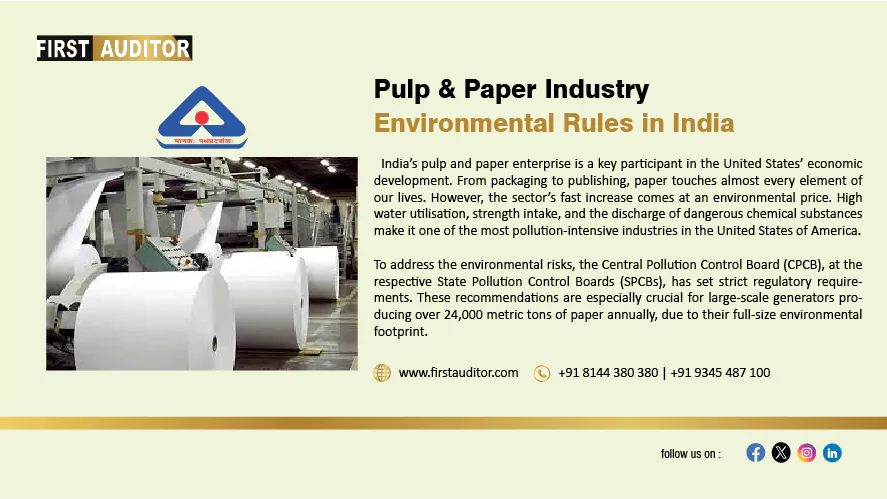
India’s pulp and paper enterprise is a key participant in the United States’ economic development. From packaging to publishing, paper touches almost every element of our lives. However, the sector’s fast increase comes at an environmental price. High water utilisation, strength intake, and the discharge of dangerous chemical substances make it one of the most pollution-intensive industries in the United States of America.
To address the environmental risks, the Central Pollution Control Board (CPCB), at the respective State Pollution Control Boards (SPCBs), has set strict regulatory requirements. These recommendations are especially crucial for large-scale generators producing over 24,000 metric tons of paper annually, due to their full-size environmental footprint.
This weblog will stroll you through the key pollutants, regulatory requirements, and terrific practices that paper turbines need to observe to live compliant and eco-conscious.
Why Environmental Compliance Matters
Large pulp and paper mills impact not only the environment, but public health and network well-being. Pollution from those centres can degrade air and water, contaminate soil, and threaten biodiversity. Ensuring compliance is important not only for regulatory approval but furthermore for:
- Sustainable manufacturing
- Legal safety
- Improved operational overall performance
- Enhanced logo reputation
Key Environmental Pollutants from Pulp and Paper Mills
1. Water Pollution
The pulp and paper production technique generates massive volumes of wastewater encumbered with dangerous substances. The key pollutants encompass:
- Biochemical Oxygen Demand (BOD): Measures the amount of organic pollutants in water. A high BOD level means more oxygen is consumed by microorganisms, which can deplete oxygen levels and endanger aquatic life.
- Chemical Oxygen Demand (COD): Represents the total concentration of chemical pollutants in water. High COD levels indicate the presence of harmful or toxic substances, which can degrade water quality and disrupt aquatic ecosystems.
- Total Suspended Solids (TSS): This debris makes the water cloudy, prevents daytime penetration, and disrupts aquatic ecosystems.
- Adsorbable Organic Halides (AOX): Produced during chlorine-based bleaching, AOX consists of poisonous compounds like dioxins and furans, which are probably continuous and bioaccumulative.
2. Air Pollution
The organisation moreover emits severe air pollution:
- Sulfur Dioxide (SO₂) and Nitrogen Oxides (NOₓ): Generated ultimately from combustion and chemical restoration strategies, these gases cause respiratory troubles and acid rain.
- Particulate Matter: Fine debris launched from boilers and drying systems can have an effect on air quality and human health.
3. Land and Thermal Pollution
- Land Pollution: Solid waste like fly ash, sludge, and chemical residues, if not dealt with properly, can contaminate soil and groundwater.
- Thermal Pollution: Hot effluents discharged into nearby water or bodies can disrupt the temperature balance, harming sensitive aquatic species.
Environmental Challenges of Large-Scale Paper Mills
Large generators running at over 24,000 MT/12 months make a disproportionate contribution to environmental degradation:
- High Water Usage: Excessive intake observed with the release of untreated or partially treated effluents into rivers, resulting in pollutants and water shortage.
- Chlorine Emissions: The use of chlorine in bleaching offers chronic pollution to the water, endangering every plant life, fauna and human health.
- Air Contamination: Emissions from boilers and exceptional combustion devices decrease nearby air quality, impacting nearby groups.
For those reasons, Environmental Impact Assessments (EIAs) are obligatory for brand-new and large-scale facilities.
CPCB's Environmental Standards for Pulp and Paper Units
To control and decrease the impact of enterprise pollution, the CPCB has laid out clean environmental requirements that paper turbines have to meet.
Effluent Standards (Wastewater Treatment)
All wastewater discharged should adhere to the following:
- pH: 7.0 to 8.0.Five
- BOD (three days at 27°C): Max 30 mg/l
- COD: Max 350 mg/l
- Total Suspended Solids: Max 500 mg/l
- AOX: Target of 1. Zero kg/ton (Maximum 1 kg/ton)
- Water Consumption: Approximately 200 m³ of water is used per ton of paper, and around 150 m³ per ton for rayon-grade newsprint.
Technologies Required
To meet those parameters, mills are anticipated to apply superior systems along with:
- Primary Clarification
- Biological Treatment Units
- Tertiary Filtration Systems
- Zero Liquid Discharge (ZLD) Techniques (in touchy zones)
Benefits of Environmental Compliance
Meeting CPCB and SPCB regulations isn’t quite an awful lot maintaining off fines — it has tangible benefits:
Environmental Preservation
Well-designed treatment systems help reduce pollution, protect ecosystems, and conserve essential resources such as water and air.
Legal and Financial Protection
Non-compliance can lead to heavy outcomes, plant shutdowns, or license cancellations. Staying within regulatory limits avoids those risks.
Improved Efficiency
Eco-first-rate techniques regularly bring about decreased beneficial aid utilisation, decreased power payments, and better regular productivity.
Community and Employee Health
By minimising toxic emissions, generators create a more consistent environment for employees and nearby citizens, lowering healthcare burdens.
Enhanced Brand Value
Businesses that focus on sustainability tend to attract more investors, build stronger customer loyalty, and improve their competitiveness in global markets.
Monitoring and Reporting: Staying on Track
Maintaining compliance isn’t a one-time hobby — it is a non-negotiable duty. Regular monitoring and reporting are essential. Large mills are required to
- Monitor effluent and emissions regularly.
- Submit reviews to CPCB and respective SPCBs
Install advanced structures like:
- CEMS (Continuous Emission Monitoring System)
- EQMS (Effluent Quality Monitoring System)
These systems offer real-time records, helping turbines monitor their everyday performance and make nicely timed upgrades.
Expert Assistance: Making Compliance Easier
Navigating environmental rules may be complex. Many mills benefit from strolling with environmental specialists who can:
- Draft pollution management techniques
- Assist with CEMS/EQMS setup and maintenance.
- Prepare environmental audit and compliance reviews.
- Coordinate with SPCB officials within the path of inspections.
- Train plant employees on environmental excellence practices
Outsourcing those duties to experts ensures both technical accuracy and criminal compliance, allowing turbines to focus on their core operations.
Conclusion
The environmental obligations of the pulp and paper business enterprise in India are large; however, so are the opportunities. By embracing CPCB’s requirements and making an investment in sustainable operations, turbines can reduce their environmental impact, avoid criminal pitfalls, and build a greener, more resilient agency.
With the right compliance measures, continuous monitoring, and expert guidance, India's paper mills can thrive — not at the expense of the environment, but in harmony with it.
Frequently Asked Questions
CPCB limits AOX discharge to 1.5 kg/ton, with a target of 1.0 kg/ton for pulp and paper mills.
Treated effluent must have a pH between 7.0 and 8.5 to meet CPCB requirements.
Discharge of hot water disrupts aquatic temperatures and ecosystems.