Best E-Waste Disposal & EPR Registration in Chennai
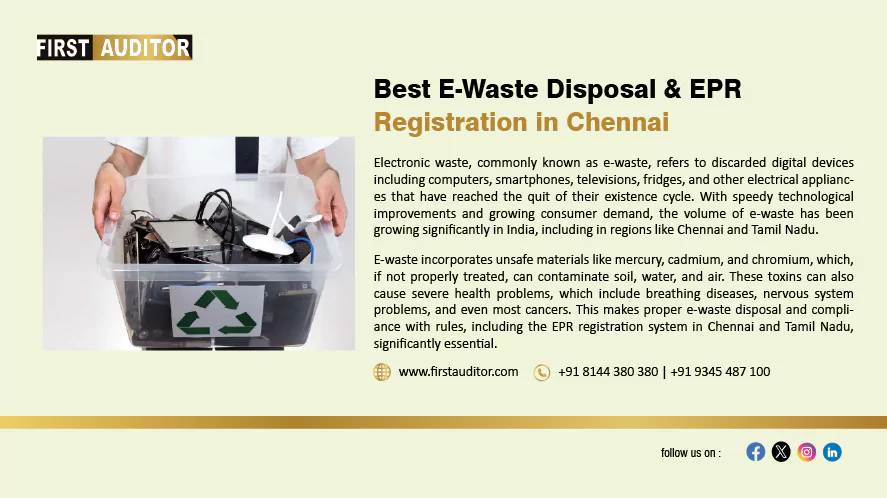
Electronic waste, commonly known as e-waste, refers to discarded digital devices including computers, smartphones, televisions, fridges, and other electrical appliances that have reached the quit of their existence cycle. With speedy technological improvements and growing consumer demand, the volume of e-waste has been growing significantly in India, including in regions like Chennai and Tamil Nadu.
E-waste incorporates unsafe materials like mercury, cadmium, and chromium, which, if not properly treated, can contaminate soil, water, and air. These toxins can also cause severe health problems, which include breathing diseases, nervous system problems, and even most cancers. This makes proper e-waste disposal and compliance with rules, including the EPR registration system in Chennai and Tamil Nadu, significantly essential.
Recycling: The Most Preferred Method for E-Waste Disposal
Recycling remains one of the simplest e-waste control methods. It includes accumulating, dismantling, and processing waste materials to extract precious resources such as metals, plastics, and glass.
Process:
- Collection and transportation of e-waste to certified recycling centres.
- Sorting and dismantling to separate substances.
- Safe handling of unsafe components earlier than final disposal.
Benefits:
- Conserves herbal assets.
- Reduces greenhouse gas emissions.
- Creates activity opportunities in recycling industries.
Challenges:
Recycling requires massive infrastructure, advanced technology, and strict regulation. In many developing areas, casual recycling poses environmental and health dangers because of risky handling.
Reuse and Refurbishment: Extending Product Life
Another sustainable method is reusing and refurbishing electronics. This process entails repairing or upgrading devices so that they can be used again in preference to being discarded.
Advantages:
- Reduces e-waste generation.
- Makes generation extra inexpensive.
- Conserves sources.
Challenges:
Refurbished products sometimes face low demand due to purchasers' preference for brand-new fashions. Some objects may also be beyond repair due to obsolescence or harm.
Landfilling and Incineration: Less Preferred Methods
Landfilling entails burying waste, which can lead to toxic substances seeping into the soil and groundwater.
Incineration burns waste at high temperatures, decreasing its extent; however, it releases harmful pollution into the surroundings.
Due to these environmental risks, those strategies are considered final-resort alternatives below EPR registration guidelines in India.
Understanding EPR Registration and Its Role in E-Waste Management
What is EPR Registration?
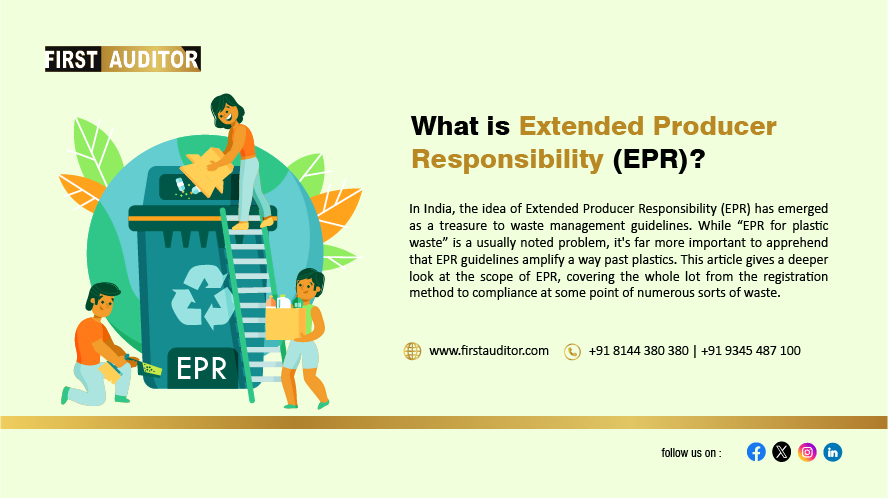
Extended Producer Responsibility (EPR) is a regulatory framework where producers, importers, and emblem proprietors are held accountable for coping with the complete lifecycle of their products, which includes end-of-life disposal.
For companies concerned with handling e-waste or EPR for plastic waste, acquiring an EPR license online in Chennai or Tamil Nadu is obligatory.
EPR Registration Process:
- Apply through the Central Pollution Control Board (CPCB) portal.
- Submit required enterprise and product info.
- Provide a waste series and recycling plan.
- Pay the applicable EPR enrollment cost in Chennai or Tamil Nadu.
- Obtain the EPR certificates after verification.
Benefits of EPR Registration:
- Encourages eco-friendly product layout.
- Promotes recycling and proper disposal.
- Reduces environmental pollution.
EPR Registration Rules in India
Under the E-Waste (Management) Amendment Rules, 2024, the Ministry of Environment, Forest, and Climate Change strengthened e-waste regulations. The amendment delivered:
- Clear definitions of roles and responsibilities.
- Flexibility in compliance necessities.
- A transparent platform for EPR certificates trading.
Companies must observe those policies to function legally and sustainably. For steering, organisations can consult EPR registration consultants in Chennai who help with documentation, utility submission, and compliance tracking.
International Perspective: The Basel Convention
Encyclopedically, the Basel Convention regulates the movement of unsafe waste, includinge-waste, among transnational locales. Its purpose is to lessen illegal jilting in developing transnational locales and insure waste is handled in an environmentally safe way.
The Role of Awareness and Corporate Responsibility
Raising recognition about the right e-waste disposal is critical. Public campaigns in schools, communities, and on social media can teach people about e-waste hazards, recycling applications, and nearby collection centres.
Corporate E-Waste Management:
Businesses, in particular in Chennai and Tamil Nadu, generate sizable e-waste from outdated IT equipment. Implementing corporate recycling programs and complying with the EPR certificate practice in Tamil Nadu can make a great impact.
Government Policies and Incentives
The government performs an essential role via:
- Mandating producers to take-again schemes.
- Setting recycling objectives.
- Offering tax incentives, presents, and subsidies to recycling businesses.
- Deposit- refund packages and change-in schemes also inspire guests to reclaim.
Conclusion: Choosing the Best Method for E-Waste Disposal in Chennai & Tamil Nadu
Among diverse disposal methods, recycling, reuse, and compliance with EPR registration regulations in India are the most sustainable answers. By obtaining the required EPR license online in Tamil Nadu and relying on EPR registration specialists in Chennai, corporations can ensure they meet their legal obligations and contribute to environmental safety.
With government assistance, company obligation, and public participation, Chennai and Tamil Nadu can move toward a purer, healthier, and more sustainable destiny for e-waste management.
Frequently Asked Questions
It ensures producers manage waste responsibly and comply with e-waste rules.
Costs vary by business size, product type, and compliance requirements.
Licensed consultants help businesses with application, compliance, and audits.