BIS Certification for Baby Products in India | Safety Guide
As parents, we’re continuously making choices that have an effect on our kids’ safety and well-being. From the moment they’re born, we look at every product they use—whether it’s a bottle, a toy, or a crib. But with shelves filled with masses of manufacturers and alternatives, how can we make sure what’s virtually secure?
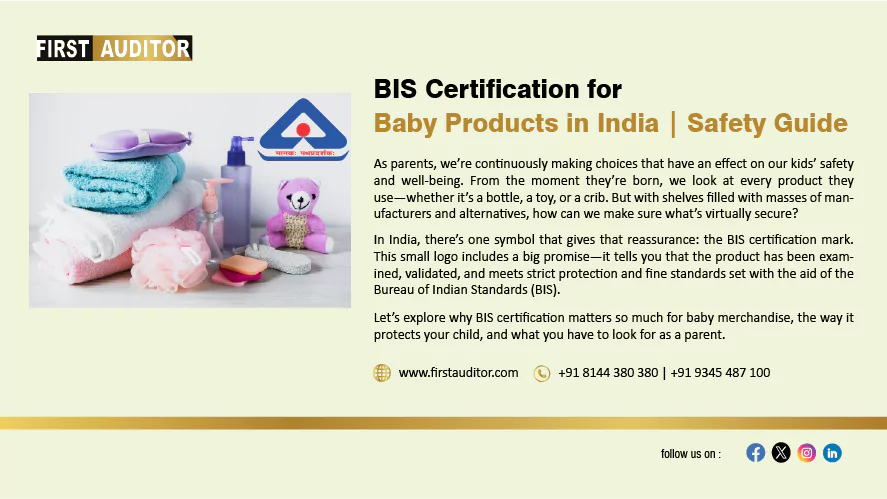
In India, there’s one symbol that gives that reassurance: the BIS certification mark. This small logo includes a big promise—it tells you that the product has been examined, validated, and meets strict protection and fine standards set with the aid of the Bureau of Indian Standards (BIS).
Let’s explore why BIS certification matters so much for baby merchandise, the way it protects your child, and what you have to look for as a parent.
What Is BIS Certification?
The Bureau of Indian Standards (BIS) is the country-wide body that sets and keeps product quality and protection requirements in India. Operating beneath the Ministry of Consumer Affairs, BIS ensures that products sold in the USA are dependable, safe, and of exact quality.
BIS certification is sort of a safety badge. It’s granted simplest after a product goes through extensive testing to fulfil precise requirements. For infant products, this means every certified item has been thoroughly tested for toxicity, mechanical safety, durability, and more.
This certification is guided by the BIS Act, 2016, which lays out clear rules for how products should be manufactured, tested, and classified. In positive classes, such as child merchandise, certification is obligatory, no longer optional.
Why Safety Standards Are Non-Negotiable for Baby Products
Babies are more sensitive than adults. Their immune systems are still growing, and they discover the arena through the use of their hands and mouths. That’s why safety isn’t just a nice bonus—it’s essential.
Here’s how BIS certification keeps your toddler secure:
1. Protection from Harmful Chemicals
Some uncertified baby items include dangerous substances like lead, BPA, phthalates, or different pollutants that could cause extreme health troubles—especially when products are chewed or sucked. BIS-certified products are thoroughly examined to ensure they’re free from these dangerous chemical compounds.
2. No Sharp Edges or Choking Hazards
Whether it’s a pacifier or a baby walker, any removable element or sharp part can pose a choking or injury threat. BIS tests each product to ensure it doesn’t have components that might break off or cause damage.
3. Stronger, Safer Design
When it involves cribs, strollers, or car seats, structural strength is vital. A vulnerable joint or flimsy body ought to crumble. BIS-certified products are positioned via performance and durability exams, so they’re confirmed to address ordinary wear and tear correctly.
4. Peace of Mind for Parents
Instead of analysing every cloth or studying every product from scratch, you could look for the BIS mark. It's an approach that the product has been independently established for protection and quality, so that you can shop with extra self-confidence.
Which Baby Products Need BIS Certification?
The listing of child items that fall under BIS safety requirements is broad—and developing. Here are some of the key product classes that require certification:
Baby Toys
- Plastic toys
- Soft toys
- Battery-operated or digital toys
- (As in step with IS 9873 series)
Transport Products
- Strollers and prams
- Baby walkers
- Car seats
Feeding Essentials
- Bottles and nipples
- Pacifiers
- Spoons and bowls for infants
Nursery Furniture
- Cribs and cots
- High chairs
- Mattresses and bedding
Clothing and Bedding
- Swaddles and blankets
- Sleepwear
- Fabric objects with skin contact
Bathing and Hygiene
- Baby bathtubs
- Diapers
- Baby wipes
- Skincare products like lotion, oil, and shampoo
Grooming Items
- Baby toothbrushes
- Nail clippers
- Grooming kits
Other Baby Gear
- Rockers and bouncers
- Baby vendors
- Monitors and protection devices
Each of these gadgets is tested for unique styles of dangers—from choking hazards to chemical safety and structural electricity.
How BIS Certification Works: Behind the Scenes
So how does a product get BIS certified?
Here’s a short examination of the process manufacturers undergo before that little BIS mark can appear on an infant product:
1. Application
The producer applies for BIS certification, presenting distinctive data about the product, substances used, and manufacturing facility setup.
2. Factory Inspection
A BIS group inspects the production unit to make sure it follows safety, hygiene, and satisfactory control guidelines.
3. Sample Testing
Random product samples are taken and examined at BIS-authorised labs. Tests test for everything from toxicity and sturdiness to electric protection (for battery-powered objects).
4. Evaluation
The consequences are reviewed. If the product passes all checks, certification is granted. If no longer, the manufacturer should make corrections and reapply.
5. Surveillance and Ongoing Monitoring
Even after certification, BIS conducts marvel inspections and checks to make certain the product continues to fulfil safety standards.
Why BIS Certification Matters to Manufacturers and Brands
It’s no longer simply dad and mom who benefit from BIS certification—manufacturers and types gain too.
For Brands and Manufacturers:
- Consumer Trust: Certified products are more likely to be selected with the aid of safety-aware parents.
- Market Access: Certification is regularly obligatory to legally promote positive merchandise in India.
- Legal Compliance: Avoids penalties or bans because of non-compliance with Indian requirements.
- Better Brand Image: Shows commitment to excellence and child protection.
Why Parents Should Look for the BIS Mark
With numerous products available, selecting the safest and best for your baby can feel overwhelming. The BIS mark helps make this decision easier by ensuring the product meets strict safety standards.
Here’s what you could do:
- Check for the BIS logo: Always search for the certification mark on product packaging or labels.
- Avoid uncertified products: Without the BIS mark, there’s no assurance the item meets safety standards.
- Look up certified manufacturers: You can visit the BIS website to confirm or verify if a logo, brand, or product is certified.
- Be careful with low-fee alternatives: Cheap imports or knock-offs might pass safety assessments altogether.
Conclusion
Your baby’s safety isn’t something to compromise on. In a market filled with colourful choices and clever marketing, the BIS certification acts as a reliable safety net. It ensures that products have been tested for chemical, mechanical, and structural safety—so you don’t have to second-guess your choices.
Choosing certified products isn’t just a smart purchase—it’s a commitment to your child’s health, comfort, and long-term well-being. The next time you shop for a toy, bottle, or baby gear, take a moment to look for the BIS mark.
Frequently Asked Questions
Yes, feeding items must pass chemical and physical safety evaluations.
It will be denied certification and must be modified before retesting.
BIS checks for choking risks, sharp edges, toxic paints, and structural durability.