EPR Registration for Waste Tyres in Tamil Nadu - CPCB Process
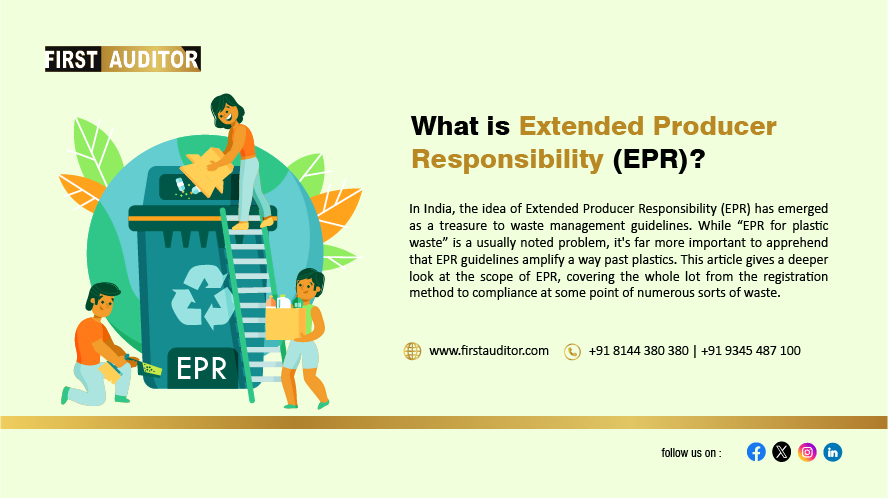
Extended Patron Responsibility( EPR) is a non-supervisory frame introduced by the Government of India that authorizations directors, importers, and brand possessors to take responsibility for the entire lifecycle of their products, particularly after the product becomes waste. For waste tyres, this responsibility includes collection, recycling, and environmentally sound disposal. This action aims to reduce environmental pollution caused by discarded tyres and ensure that directors contribute towards sustainable waste operations.
In this blog, we’ll walk you through the EPR enrollment process for waste tyres, including the latest CPCB rules, needed documents, and how businesses in Chennai and across Tamil Nadu can register for EPR. However, this post will give all the perceptivity you need If you’re searching for EPR enrollment advisers in Chennai or want to understand how to apply for an EPR instrument in Tamil Nadu.
Why EPR Registration for Waste Tyres is Important?
The Government of India, through the Ministry of Environment, Forest, and Climate Change, issued an announcement on December 31, 2021, under announcement number S.O. 5497( E), making EPR enrollment obligatory for realities dealing with tyres. The correction came into effect on July 21, 2022, and requires realities to register on the Central Pollution Control Board( CPCB)’s centralized gate.
This regulation is designed to
- help reduce environmental pollution from tyre waste.
- Promote responsible recycling and exercise.
- Encourage directors and importers to adopt sustainable practices.
- Reduce the burden on the original waste operation authorities.

Step-by-Step CPCB EPR Registration Process for Waste Tyres
The EPR enrollment process in Tamil Nadu or any other state in India is centralized via the CPCB’s online gate. Then is how it works
- Access the CPCB Portal
Visit the CPCB’s centralized EPR gate and submit an operation to gain login credentials. - Log in to the Portal
Use the credentials entered via dispatch to log into the system. - Fill in the Registration Form
Complete the online form with details such as reality information, functional conditioning, and your proposed EPR plan. - Attach needed Documents
Upload all necessary attestation( listed below) to support your operation. - Submit the operation
Ensure the entire operation and documents are submitted within 30 days of initiating the process. - Application Review and Registration
The CPCB reviews the operation and, if set up satisfactory, issues an enrollment number within 15 days. - Get the EPR Certificate
Once approved, the EPR authorization instrument is valid for two times.
Documents needed for EPR Registration in Tamil Nadu
To apply for EPR enrollment in Chennai or away in Tamil Nadu, you'll need
- Pan Card of the company
- GST enrollment instrument
- Import- Import law( IEC)( if applicable)
- Company Incorporation Certificate( CIN)
- Aadhar of the authorized representative
- Covering letter( Annexure A)
- Undertaking( Annexure B)
- Tyre Composition( Annexure C)
- Manufacturing Data( Annexure D)
- Environmental NOCs, if applicable
- evidence of business demesne power or parcel
- Detailed EPR plan( collection, storehouse, transportation, processing)
EPR Certificate Rules scores and Compliance
The EPR enrollment rules in India have set phased targets for compliance grounded on the reality of tyre products or imports in FY 2020 21
- 2022- 23 35 of product/ import
- 2023- 24 70 of product/ import
- 2024- 25 and onwards 100 of product/ import
For units set up after April 1, 2022, EPR compliance starts two times after establishment, with 100% obligation.
Importers must meet 100 EPR compliance for all imported tyres annually.
How Does the EPR Certificate Transaction Work?
Directors are needed to buy EPR instruments from registered recyclers to meet their scores. That’s how the sale process works
- Directors can buy instruments for current time liability 10 periphery past pretenses .
- Instruments must be acquired daily.
- Once used, instruments are extinguished.
- All instrument deals must be reported via daily returns on the CPCB gate.
Liabilities of Directors and Recyclers
Patron liabilities
- Fulfill EPR scores through certified recyclers.
- Submit daily and periodic EPR reports online.
- Maintain records of all deals.
Recycler liabilities
- Upload data on tyre processing yearly.
- Give daily and periodic reports via the gate.
- Ensure translucency in instrument allocation.
Benefits of EPR Registration for Waste Tyres
- Reduces the environmental impact of tyre waste.
- Encourages recycling and exercise over tipping or incineration.
- Lessens the external waste burden, lowering costs.
- Promotes resource conservation through effective material recovery.
- Improves commercial environmental responsibility.
Whether you are a tyre manufacturer or importer, timely EPR Registration in Tamil Nadu helps ensure full legal compliance and strengthens your sustainability credentials.
Conclusion
With tyre waste getting a significant environmental concern, the Government’s proposal of obligatory EPR enrollment is a step in the right direction. However, importing or recycling in Tamil Nadu, If you are involved in tyre manufacturing.
Whether you are applying for the first time or need help navigating the process, consulting educated EPR enrollment advisers in Chennai can streamline the entire trip — from attestation to instrument accession.
For a biddable, sustainable unborn — start your EPR enrollment moment.
Frequently Asked Questions
EPR registration ensures producers and recyclers comply with CPCB norms for managing waste tyres.
Manufacturers, importers, and recyclers handling tyres must obtain CPCB EPR approval.
Yes, CPCB approval is mandatory to recycle, import, or process waste tyres legally.